SpiritOne
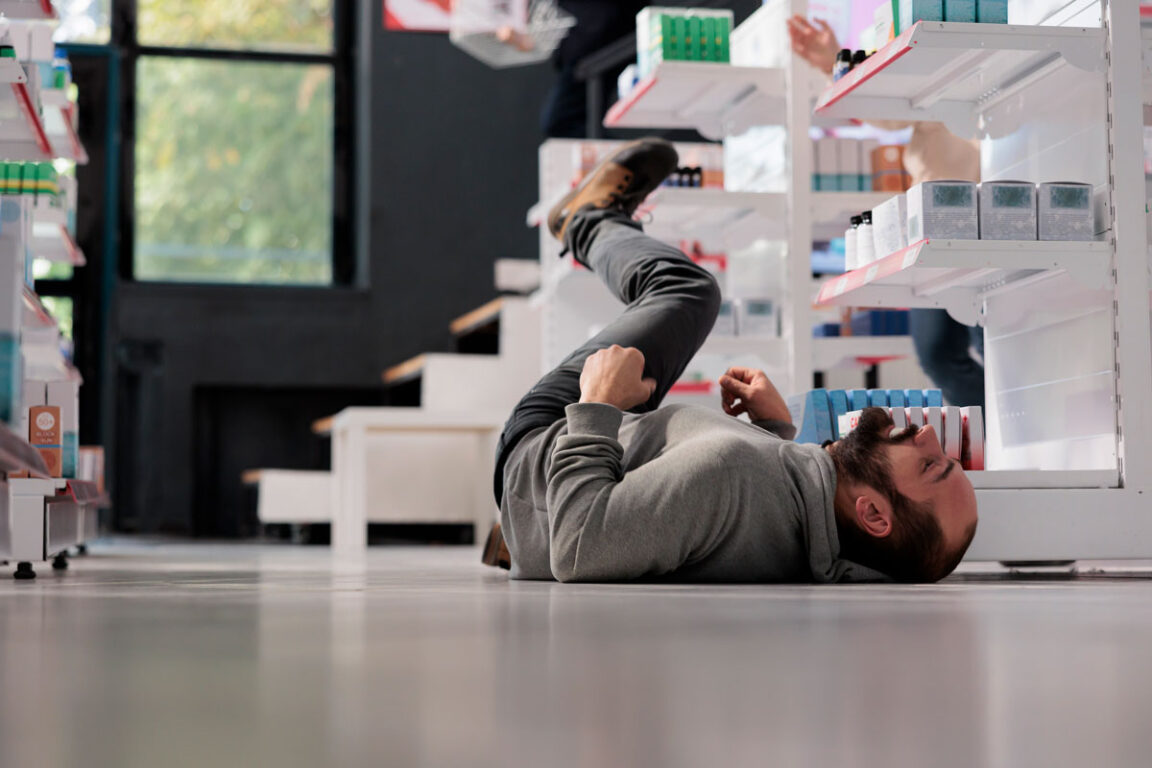
General Information About Florida Premises Liability Law
A wet grocery store floor, a broken staircase, poor lighting in a parking garage, or an unsecured swimming pool can turn an ordinary day into a painful and unexpected experience. When someone gets hurt on another person’s property, an important question often follows: Who is responsible for the injury?
The answer is not always straightforward.
Property owners, businesses, landlords, and other parties may have legal responsibilities to maintain reasonably safe conditions for people who enter their property. When someone fails to meet those responsibilities and a person suffers an injury, the circumstances may give rise to a premises liability claim.
However, not every accident on someone else’s property automatically creates a legal claim. The nature of the hazard, the property owner’s knowledge, the injured person’s reason for being there, and the evidence available can all affect the outcome.
This guide explains the basics of premises liability claims in Florida, including common types of accidents, legal concepts, evidence, insurance claims, potential defenses, and steps to consider after an injury.
Spirit One provides general information about legal topics. This article is educational and does not provide legal advice or determine whether a particular person has a valid claim.
Injured on Someone Else’s Property? What You Need to Know About Premises Liability Claims
A General Guide to Premises Liability in Florida
A trip to a store, restaurant, apartment complex, hotel, or shopping center should not end with a serious injury. Yet dangerous conditions on someone else’s property can cause painful falls, broken bones, head injuries, and other unexpected harm.
When an accident happens, many people wonder whether the property owner is responsible, whether insurance will cover their medical bills, and whether they have the right to seek compensation.
The answer depends on the circumstances.
Property owners and businesses may have legal responsibilities to maintain reasonably safe premises and address dangerous conditions. When a failure to meet those responsibilities contributes to an injury, the injured person may have grounds for a premises liability claim.
However, simply getting hurt on someone else’s property does not automatically establish liability. The type of hazard, the property owner’s knowledge, the injured person’s reason for being there, and the evidence available can all affect the outcome.
This guide explains what premises liability means, how these claims generally work in Florida, what evidence may matter, and what steps to consider after an accident.
Important: This article provides general educational information about Florida law. It is not legal advice, and it does not determine whether a particular injury creates a valid claim.
What Is Premises Liability?
Premises liability is a legal concept involving injuries caused by dangerous or unsafe conditions on property.
Depending on the circumstances, a claim may involve a property owner, business, landlord, property manager, or another person or entity responsible for maintaining or controlling the premises.
Examples of potentially dangerous conditions include:
- Wet or slippery floors
- Broken stairs
- Uneven sidewalks
- Inadequate lighting
- Potholes in parking lots
- Defective handrails
- Unsecured swimming pools
- Falling merchandise
- Dangerous property defects
- Certain inadequate security conditions
The central question is generally whether the responsible party failed to meet an applicable duty of care and whether that failure caused the injury.
Not every accident results from negligence. Some accidents occur despite reasonable precautions, while others involve conditions that the responsible party may not have known about or reasonably been expected to correct.
Why Premises Liability Claims Matter in Florida
Florida residents and visitors encounter many different types of properties every day. A person might shop at a grocery store in Tampa, visit a hotel in Clearwater, walk through an apartment complex in St. Petersburg, or attend an event at a commercial property.
Each setting may involve different safety concerns and different legal considerations.
For example, a grocery store may need to address spilled liquids or fallen merchandise. An apartment complex may have maintenance responsibilities involving stairs, walkways, lighting, and common areas. A hotel may have safety obligations relating to its facilities and the people who use them.
When a dangerous condition causes an injury, understanding the circumstances can help an injured person determine what information to preserve and what questions to ask.
A premises liability claim may involve medical expenses, lost income, pain and suffering, and other losses. The availability and value of compensation depend on the facts, applicable law, and available evidence.
For more general information about personal injury topics, readers can explore Spirit One’s Personal Injury Law resource center.
Common Types of Premises Liability Accidents
Premises liability claims can arise from many different types of incidents. Some are immediately recognizable, while others may involve injuries that develop or become apparent later.
Slip-and-Fall Accidents
Slip-and-fall accidents are among the most familiar examples of premises liability claims.
A person may slip on water, spilled food, cleaning products, or another substance on a floor. A fall may also occur because of an uneven surface, loose flooring, or another dangerous condition.
The circumstances surrounding the hazard can be important. For example, a claim involving a spill in a grocery store may require evidence about how long the spill existed, whether employees knew about it, and whether reasonable steps were taken to address it.
Florida has a specific statute addressing transitory foreign substances in business establishments. Under Florida Statutes § 768.0755, an injured person generally must prove that the business had actual or constructive knowledge of the dangerous condition and should have taken action to remedy it.
Stairway and Walkway Injuries
Broken steps, missing handrails, uneven walkways, and poorly maintained surfaces can create fall hazards.
These accidents may occur at:
- Apartment buildings
- Office complexes
- Shopping centers
- Hotels
- Restaurants
- Private residences
- Public facilities
Evidence concerning the condition of the property before and after the accident may be important.
Parking Lot and Garage Accidents
Parking areas can contain hazards such as potholes, broken pavement, inadequate lighting, and poorly maintained pedestrian pathways.
A person might trip while walking to a vehicle or fall because a damaged surface is difficult to see.
The legal issues can depend on who controlled the area, who was responsible for maintenance, and whether the condition created a foreseeable risk.
Swimming Pool Accidents
Swimming pools and surrounding areas can involve risks such as slippery surfaces, inadequate barriers, defective equipment, and other dangerous conditions.
Florida law contains specific provisions addressing certain swimming pool safety requirements. The circumstances of an accident, the type of property, and the applicable safety rules can all affect a potential claim.
Falling Objects
Merchandise, fixtures, building materials, or other objects may fall and injure visitors or customers.
A claim may involve questions about how an object was stored, whether employees or property managers knew about a hazard, and whether reasonable safety measures were followed.
Inadequate Security
In some circumstances, a person may suffer an injury because of a criminal act committed by a third party on commercial or residential property.
These cases can be particularly complicated. They may involve questions about the property’s security measures, foreseeable risks, prior incidents, and the responsibilities of the parties involved.
Florida law includes specific provisions concerning premises liability for criminal acts of third parties. Florida Statutes § 768.0701 addresses the consideration of fault in certain actions involving injuries caused by third-party criminal acts on commercial or residential property.
Who May Be Responsible for a Premises Liability Injury?
One of the first questions after an accident is who may be legally responsible.
The answer is not always the person who owns the property.
Depending on the circumstances, responsibility may involve:
- A property owner
- A business operating on the property
- A landlord
- A property management company
- A maintenance contractor
- A tenant
- Another party responsible for creating or addressing a dangerous condition
For example, a landlord may own an apartment building, while a property management company handles maintenance. A tenant may operate a business in a rented commercial space. A maintenance contractor may be responsible for repairing a particular hazard.
Determining responsibility requires examining the facts and any agreements or legal duties that apply.
Property Ownership Does Not Automatically Establish Liability
A person can be injured on property without the owner necessarily being negligent.
For example, a visitor might trip over an unexpected object that appeared moments before the accident. If the responsible party had no reasonable opportunity to discover or address the condition, establishing negligence may be difficult.
On the other hand, a property owner or business that knows about a dangerous condition and fails to take reasonable corrective action may face potential liability.
The important issue is not simply who owns the property. It is also who had responsibility for the condition that caused the injury.
What Must Be Proven in a Florida Premises Liability Claim?
A premises liability claim often involves the legal concept of negligence.
In general terms, negligence means failing to exercise the level of care that the circumstances reasonably require, resulting in harm to another person.
A typical negligence-based premises liability claim may involve several important elements.
A Legal Duty
The injured person generally must establish that the defendant owed a legal duty under the circumstances.
The nature of that duty can depend on the property, the relationship between the parties, and the reason the injured person was present.
A Dangerous Condition or Other Breach
The claim may involve a dangerous condition that the responsible party failed to address appropriately.
Examples might include an unrepaired hazard, an unsafe walkway, or a substance left on a floor.
However, the existence of a condition alone does not necessarily establish that someone breached a legal duty.
Notice of the Dangerous Condition
In many cases, the injured person must show that the responsible party knew or should reasonably have known about the condition.
This is often called actual or constructive knowledge.
Actual knowledge means the party actually knew about the dangerous condition.
Constructive knowledge generally means the circumstances were such that the party should reasonably have known about it.
Causation
The injured person must generally connect the alleged negligence to the accident and resulting injuries.
For example, if a person claims that a broken stair caused a fall, evidence may need to establish that the stair was defective, that the defect contributed to the fall, and that the fall caused the claimed injuries.
Damages
Finally, the injured person generally must establish that the accident caused legally compensable losses.
These may include medical expenses, lost income, and certain noneconomic damages.
What Is the Difference Between Actual and Constructive Knowledge?
Knowledge of a dangerous condition can be one of the most important issues in a premises liability case.
Actual Knowledge
Actual knowledge exists when the responsible party knew about the condition.
For example, an employee might receive a report that a liquid has spilled on a store floor. If the employee knows about the spill but fails to take reasonable action, that information may be relevant to a subsequent injury claim.
Other evidence of actual knowledge might include:
- A prior complaint
- An employee’s report
- A maintenance record
- A previous inspection
- An admission by a property representative
Constructive Knowledge
Constructive knowledge concerns what the responsible party should reasonably have known.
Under Florida’s transitory foreign substance statute, constructive knowledge may be established through circumstantial evidence showing that:
- The dangerous condition existed long enough that the business should have discovered it through reasonable care.
- The condition occurred with enough regularity that it was foreseeable.
For example, evidence that a spill remained on a store floor for an extended period may be relevant to whether the business should have discovered it.
Evidence that similar spills repeatedly occurred in the same location may also be relevant.
The precise facts matter. A short-lived condition and a recurring maintenance problem may raise different questions.
What Happens After an Accident on Someone Else’s Property?
The steps taken immediately after an accident can affect both recovery and the ability to document what happened.
Seek Medical Attention
If you are injured, consider obtaining medical attention promptly.
Some injuries are immediately apparent, while others may become more noticeable over time. A medical professional can evaluate your symptoms and determine whether treatment or further testing is appropriate.
Medical records may also help document the nature and timing of an injury.
Report the Incident
If the accident occurred at a business, apartment complex, hotel, or another managed property, report it to an appropriate representative.
Ask whether an incident report will be prepared.
Try to obtain the name and contact information of the person who received the report.
A report does not automatically establish liability, but it may help document when and where the accident occurred.
Photograph the Condition
If it is safe to do so, take photographs or videos of the area where the accident happened.
Useful images may show:
- The dangerous condition
- The surrounding area
- Lighting conditions
- The location of warning signs
- The condition of stairs or walkways
- The size or appearance of a spill
- Damage to clothing or personal belongings
If the condition changes after the accident, photographs taken at the time of the incident may become especially important.
Identify Witnesses
If anyone saw the accident or noticed the dangerous condition beforehand, try to obtain their contact information.
Witnesses may be able to provide information about:
- What happened
- The condition of the property
- Whether warnings were present
- Whether employees knew about the hazard
- Whether similar incidents occurred
Preserve Relevant Documents
Keep copies of:
- Medical records
- Medical bills
- Incident reports
- Photographs
- Correspondence with the property owner
- Insurance communications
- Receipts
- Records of missed work
Organized documentation can help establish a timeline and provide evidence of the losses associated with an injury.
What Evidence Can Help Establish a Premises Liability Claim?
Evidence can be particularly important when the dangerous condition is repaired, removed, or changed shortly after an accident.
Photographs and Video
Photos and videos may help establish what the property looked like when the accident occurred.
Security camera footage can also be relevant, particularly in stores, parking garages, hotels, and apartment complexes.
However, surveillance footage may not be retained indefinitely. If video could be important, preserving it promptly may be worthwhile.
Incident Reports
An incident report may document the date, time, location, and basic circumstances of the accident.
The report may also identify employees, witnesses, or other information that could help reconstruct what happened.
Maintenance and Inspection Records
Maintenance records may help establish whether a property owner or business had a system for inspecting and repairing the premises.
These records may also provide information about prior complaints or recurring hazards.
Witness Statements
Witnesses may offer information that is not visible in photographs.
For example, a witness might have seen an employee walk past a spill shortly before the accident or may know that a particular area had been difficult to navigate for some time.
Medical Records
Medical records can help establish the nature of an injury, the treatment received, and the relationship between the accident and the reported symptoms.
It is important to describe the accident and symptoms accurately to medical professionals.
What Compensation May Be Available?
If a premises liability claim is successful, compensation may be available for certain losses caused by the injury.
The categories of damages depend on the circumstances and applicable law.
Medical Expenses
Compensation may potentially include reasonable and legally recoverable medical expenses related to the accident.
These might involve:
- Emergency treatment
- Hospital care
- Diagnostic testing
- Physician visits
- Physical therapy
- Prescription medication
- Rehabilitation
Lost Income
If an injury prevents someone from working, compensation may potentially include certain lost wages.
More serious injuries may also affect future earning capacity.
Documentation such as pay stubs, employment records, and information from an employer may help establish the financial impact.
Pain and Suffering
Some injury claims may involve compensation for physical pain, emotional distress, and other noneconomic losses.
The availability and amount of such damages depend on the facts and applicable law.
Other Losses
Depending on the circumstances, a claim may also involve other legally recoverable losses, such as certain out-of-pocket expenses or losses associated with a permanent impairment.
A claim’s value cannot be determined solely by the type of accident. The severity of the injury, treatment, recovery, financial impact, and available evidence all matter.
Can Your Own Actions Affect a Premises Liability Claim?
Yes.
Florida follows a modified comparative fault system for many negligence actions.
Under Florida Statutes § 768.81, a claimant’s recoverable damages may be reduced in proportion to the claimant’s percentage of fault. The statute also provides that a party found to be more than 50% at fault for their own harm may not recover damages in negligence actions covered by that provision.
For example, suppose a person suffers $100,000 in legally recoverable damages and is found to be 20% responsible for the accident. If the comparative fault statute applies, the person’s recovery could be reduced to $80,000.
This is only an illustration. Actual claims involve evidence, legal arguments, and the specific rules applicable to the case.
A property owner or insurance company may argue that the injured person:
- Failed to pay attention
- Ignored a warning sign
- Entered an area that was closed
- Was distracted
- Was using the property in an unsafe manner
Such arguments do not automatically defeat a claim. Whether they have merit depends on the facts.
What Defenses Might a Property Owner Raise?
Property owners, businesses, and insurers may raise several arguments in response to a premises liability claim.
The Dangerous Condition Was Not Known
A defendant may argue that it did not know about the condition and had no reasonable opportunity to discover it.
The strength of this argument depends on the available evidence.
The Condition Was Open and Obvious
A defendant may argue that the condition was readily observable and that the injured person should have recognized the risk.
The legal effect of an open-and-obvious condition depends on the circumstances and applicable law. It does not automatically resolve every issue in a premises liability case.
The Injured Person Was Negligent
A defendant may argue that the injured person contributed to the accident.
Florida’s comparative fault rules may affect the amount of compensation available.
The Accident Was Not Caused by the Alleged Hazard
A defendant may dispute whether the condition actually caused the injury.
For example, a business might argue that a person fell for a reason unrelated to a reported spill or property defect.
The Claimed Injuries Were Not Caused by the Accident
An insurance company or defendant may question whether the accident caused the claimed medical problems.
Medical records, treatment history, and other evidence may be relevant to this issue.
What Mistakes Should You Avoid After a Premises Liability Accident?
Several mistakes can make it more difficult to understand or document a potential claim.
Failing to Report the Accident
If an incident is not reported, it may become more difficult to establish when and where it occurred.
Waiting Too Long to Seek Medical Care
Delaying medical attention can make it more difficult to document the timing and nature of an injury.
It can also allow symptoms to worsen.
Assuming the Property Owner Is Automatically Responsible
An accident on another person’s property does not automatically establish negligence.
The circumstances must be examined carefully.
Accepting an Insurance Settlement Without Understanding It
An insurance company may offer a settlement before the full extent of an injury is known.
Before accepting an offer, understand what claims the settlement may resolve and whether additional compensation could be unavailable afterward.
Posting About the Accident on Social Media
Photos, videos, and statements posted online may be reviewed during an insurance dispute or legal proceeding.
Avoid making inaccurate statements about the accident or the extent of your injuries.
Failing to Preserve Evidence
Photographs, video, witness information, and other records may become difficult to obtain later.
Preserving evidence promptly can be important.
What Should You Do Next? A Premises Liability Checklist
If you are injured on someone else’s property in Florida, consider the following steps.
Immediate Steps
- Get medical attention. Seek appropriate care for your injuries.
- Report the accident. Notify the property owner, manager, or business representative.
- Document the scene. Take photographs or videos if it is safe.
- Identify witnesses. Obtain contact information when possible.
- Preserve evidence. Keep clothing, photographs, receipts, and relevant communications.
- Record what happened. Write down the date, time, location, and circumstances while they are fresh in your memory.
- Keep medical records. Save bills, treatment records, and information about missed work.
- Be cautious with insurance communications. Review documents carefully before making decisions about a potential settlement.
- Consider the applicable deadlines. Florida law includes time limits for many personal injury claims, and the deadline may depend on the type of claim and circumstances.
- Seek individualized advice when appropriate. A qualified Florida legal professional can help explain how the law may apply to a specific situation.
How Long Do You Have to File a Premises Liability Claim in Florida?
The deadline for filing a premises liability lawsuit depends on the circumstances and the legal theory involved.
Florida law has statutes of limitations for negligence claims, but exceptions and special rules may apply.
The deadline can also differ when the claim involves a government entity, a wrongful death, a minor, or another special circumstance.
Because missing an applicable deadline can affect the ability to pursue a claim, it is important not to assume that every premises liability case has the same filing period.
A legal professional familiar with Florida personal injury law can help identify which deadlines may apply.
Final Thoughts
An injury on someone else’s property can raise difficult questions about safety, responsibility, insurance, and compensation.
Whether an injured person has a valid premises liability claim depends on the facts. Important considerations may include the dangerous condition, who controlled the property, whether the responsible party knew or should have known about the hazard, and whether the condition caused the injury.
Evidence can make a significant difference. Photographs, surveillance footage, incident reports, witness information, maintenance records, and medical documentation may all help establish what happened.
If you are injured, consider seeking medical attention, reporting the accident, preserving evidence, and keeping records of your expenses and recovery.
Premises liability law can be complicated, particularly when responsibility is disputed or an injury has long-term consequences.
This article is intended for general educational purposes only. It is not legal advice, and it does not create an attorney-client relationship.
Frequently Asked Questions About Premises Liability Claims in Florida
What is a premises liability claim?
A premises liability claim is a legal claim involving an injury allegedly caused by a dangerous or unsafe condition on property. Depending on the circumstances, the claim may involve a property owner, business, landlord, property manager, or another responsible party.
Can I sue someone if I slip and fall on their property?
Possibly. An injury on another person’s property does not automatically establish liability. A potential claim may depend on whether a responsible party owed a legal duty, whether a dangerous condition existed, whether the party knew or should have known about it, and whether the condition caused the injury.
What are common examples of premises liability accidents?
Common examples include slip-and-fall accidents, injuries involving broken stairs, defective walkways, parking lot hazards, falling objects, swimming pool incidents, and certain injuries involving inadequate security.
What is constructive knowledge in a Florida premises liability case?
Constructive knowledge generally concerns whether a property owner or business should reasonably have known about a dangerous condition. Under Florida’s transitory foreign substance statute, evidence may include proof that a condition existed long enough to be discovered or occurred regularly enough to be foreseeable.
Do I need photographs to prove a premises liability claim?
Not necessarily. Photographs can be helpful, but other evidence may also matter, including surveillance footage, witness statements, incident reports, maintenance records, and medical documentation.
What if the property owner says the accident was my fault?
A property owner or insurer may argue that the injured person contributed to the accident. Florida’s comparative fault rules may reduce recoverable damages based on the injured person’s share of responsibility, subject to the applicable statutory requirements.
Can I receive compensation for medical bills after a premises liability accident?
Potentially. If a claim is successful, legally recoverable damages may include certain medical expenses and other losses caused by the injury. The availability of compensation depends on the circumstances and applicable law.
Should I report an accident to the property owner?
Generally, reporting the accident promptly can help create a record of what happened. Ask whether an incident report will be prepared and keep any related documentation.
What if my injury does not appear immediately?
Some injuries may not become apparent immediately. If symptoms develop after an accident, consider seeking medical attention and explaining the circumstances accurately to the healthcare professional.
Can a property owner be responsible for a criminal act committed by someone else?
Potentially, depending on the circumstances and applicable law. Claims involving criminal acts by third parties may involve complicated questions about security, foreseeability, and legal duties.
How long do I have to file a premises liability lawsuit in Florida?
The deadline depends on the type of claim and the circumstances. Florida has statutes of limitations for negligence claims, but exceptions and special rules may apply. It is important to identify the applicable deadline rather than assume every case follows the same timeline.
Do I need an attorney for a premises liability claim?
Not every injured person needs an attorney. However, individualized legal advice may be useful when an injury is serious, liability is disputed, insurance coverage is complicated, or the potential claim involves significant financial losses.