SpiritOne
Why This Matters After a Florida Car Crash
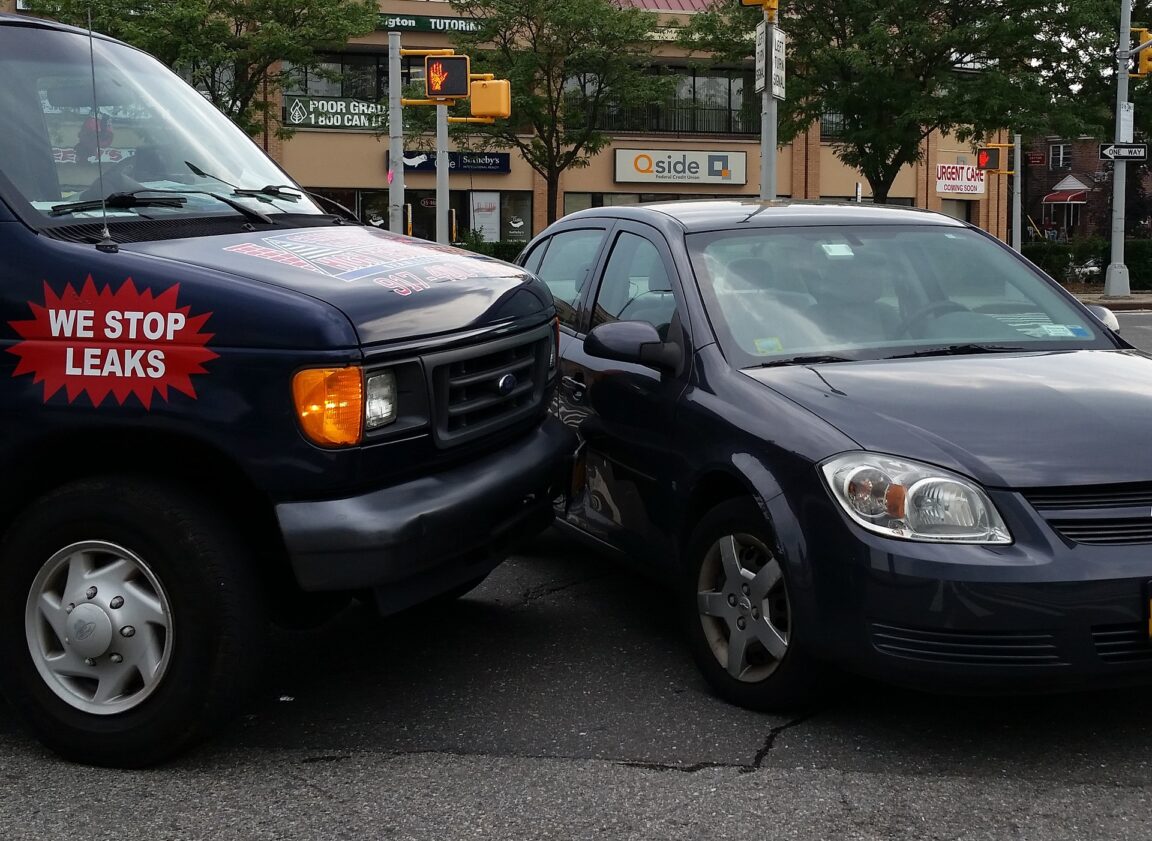
After an accident, your car may look and drive exactly the same once repairs are complete. However, the reality is that it is almost always worth less on the open market.
Buyers, dealerships, and vehicle history reports all factor in prior accidents. That loss in value can be significant, especially for newer or high-value vehicles.
If another driver caused your crash, you may have the right to recover that loss through a diminished value claim. Most drivers are never told about this option, which is why these claims often go unfiled.
What Is a Diminished Value Claim
A diminished value claim is a request for compensation for the difference between your vehicle’s value before an accident and its value after repairs are completed.
Example
A vehicle worth $25,000 before a crash may only be worth $20,000 after repairs due to its accident history. The $5,000 difference represents the diminished value.
Why Vehicles Lose Value After an Accident
Vehicles lose value after a crash for several reasons:
- Accident history appears on vehicle reports
- Buyers perceive increased risk
- Dealerships reduce trade-in offers
Even high-quality repairs do not eliminate these concerns.
Legal Overview of Diminished Value in Florida
Florida allows diminished value claims, but only under specific conditions.
Third-Party Claims
You can pursue a diminished value claim against the at-fault driver’s insurance company. This is the most common and viable path.
First-Party Claims
In most cases, you cannot recover diminished value from your own insurance policy unless your coverage specifically includes it.
Key Legal Point
Florida operates under a no-fault system for medical benefits, but property damage claims are based on fault. This means you must establish that another driver caused the accident.
What Happens After the Crash
Understanding the sequence of events after a crash is critical to preserving your claim.
Immediately After the Accident
- Report the crash
- Take photographs and video of the damage
- Exchange insurance information
During Repairs
- Keep all repair invoices and estimates
- Document the type of parts used and the quality of repairs
After Repairs Are Completed
Diminished value is assessed after the vehicle has been repaired. The claim is based on the difference in value at that point.
Types of Diminished Value
Inherent Diminished Value
This is the most common type. It reflects the loss in value due to the vehicle having an accident history.
Repair-Related Diminished Value
This applies when repairs are incomplete or performed poorly, resulting in additional loss in value.
Immediate Diminished Value
This represents the reduction in value immediately after the accident but before repairs are made.
Evidence That Strengthens Your Claim
Insurance companies require documentation to evaluate a diminished value claim.
Strong Evidence
- Repair invoices and estimates
- Photographs of damage before and after repairs
- Vehicle history reports
- Independent diminished value appraisal
- Market comparisons of similar vehicles
Weak Evidence
- Verbal estimates
- Generic online calculators
- Missing or incomplete documentation
Strong evidence improves your ability to negotiate a fair settlement.
How Much Is a Diminished Value Claim Worth
The value of a claim depends on several factors.
Key Factors
- Severity of damage
- Whether structural repairs were required
- Age and mileage of the vehicle
- Make and model
- Market demand
- Prior accident history
Insurance companies may use internal formulas that tend to undervalue claims. Independent appraisals often provide a more accurate assessment.
Common Mistakes to Avoid
Not Filing a Claim
Many drivers are unaware of diminished value and never pursue compensation.
Filing Before Repairs Are Complete
Claims must be based on post-repair value.
Accepting the First Offer
Initial settlement offers are often lower than what the claim is worth.
Failing to Obtain an Appraisal
Without an independent valuation, it is difficult to challenge the insurance company’s assessment.
Poor Documentation
Incomplete records weaken your position during negotiations.
Financial Consequences of Not Filing
Failing to pursue a diminished value claim can result in measurable financial loss.
Potential Losses
- Reduced resale value
- Lower trade-in offers
- Ongoing depreciation impact tied to accident history
These losses can amount to thousands of dollars, depending on the vehicle.
Court Process Overview
Most diminished value claims are resolved through negotiation, but legal action is sometimes necessary.
Pre-Suit Process
- Submit the claim to the at-fault insurer
- Provide supporting documentation
- Engage in settlement negotiations
If a Lawsuit Is Filed
- A complaint is filed for property damage
- Pretrial negotiations and motions may occur
- The case may proceed to trial if unresolved
Court is typically a last step, but it can increase leverage in disputed claims.
Step-by-Step Process to File a Claim
Step 1: Confirm Fault
Establish that the other driver was responsible for the accident.
Step 2: Complete Repairs
Ensure all repairs are finalized before evaluating diminished value.
Step 3: Gather Documentation
Collect repair records, photos, and vehicle history information.
Step 4: Obtain an Appraisal
Seek a professional diminished value assessment.
Step 5: File the Claim
Submit your claim to the at-fault driver’s insurance company.
Step 6: Negotiate the Settlement
Be prepared to respond to low offers and provide additional evidence if necessary.
What To Do Next
- Confirm fault and obtain the crash report
- Complete all vehicle repairs
- Retain all repair documentation
- Obtain a diminished value appraisal
- Research comparable vehicle values
- File a claim with the at-fault insurer
- Evaluate settlement offers carefully
- Consider legal assistance if needed
When to Speak With a Lawyer
Legal guidance may be helpful in certain situations.
Consider Legal Help If
- The claim involves significant damage
- The insurance company denies the claim
- Settlement offers are unreasonably low
- Fault is disputed
An attorney can assist with documentation, negotiation, and litigation if necessary.
FAQs
Can I file a diminished value claim if I was partially at fault
Yes, but your compensation may be reduced based on your percentage of fault.
How long do I have to file a diminished value claim in Florida
The statute of limitations for property damage claims is generally four years from the date of the accident.
Is a diminished value claim worth it for older vehicles
It depends on the condition and extent of damage, but claims are typically smaller for older vehicles.
Do I need an appraisal for a diminished value claim
An appraisal is not required but is strongly recommended to support your claim.
What if the insurance company denies my claim
You can provide additional evidence, negotiate further, or pursue legal action if necessary.
Can I file a claim after selling my car
It is possible, but more difficult. Filing before selling is recommended.
Get Compensated for Your Car’s Diminished Value
If your vehicle lost value after an accident caused by another driver, you may be entitled to recover that loss.
Start your claim today by contacting an experienced attorney.